Rounding Numbers on a Number Line Worksheets
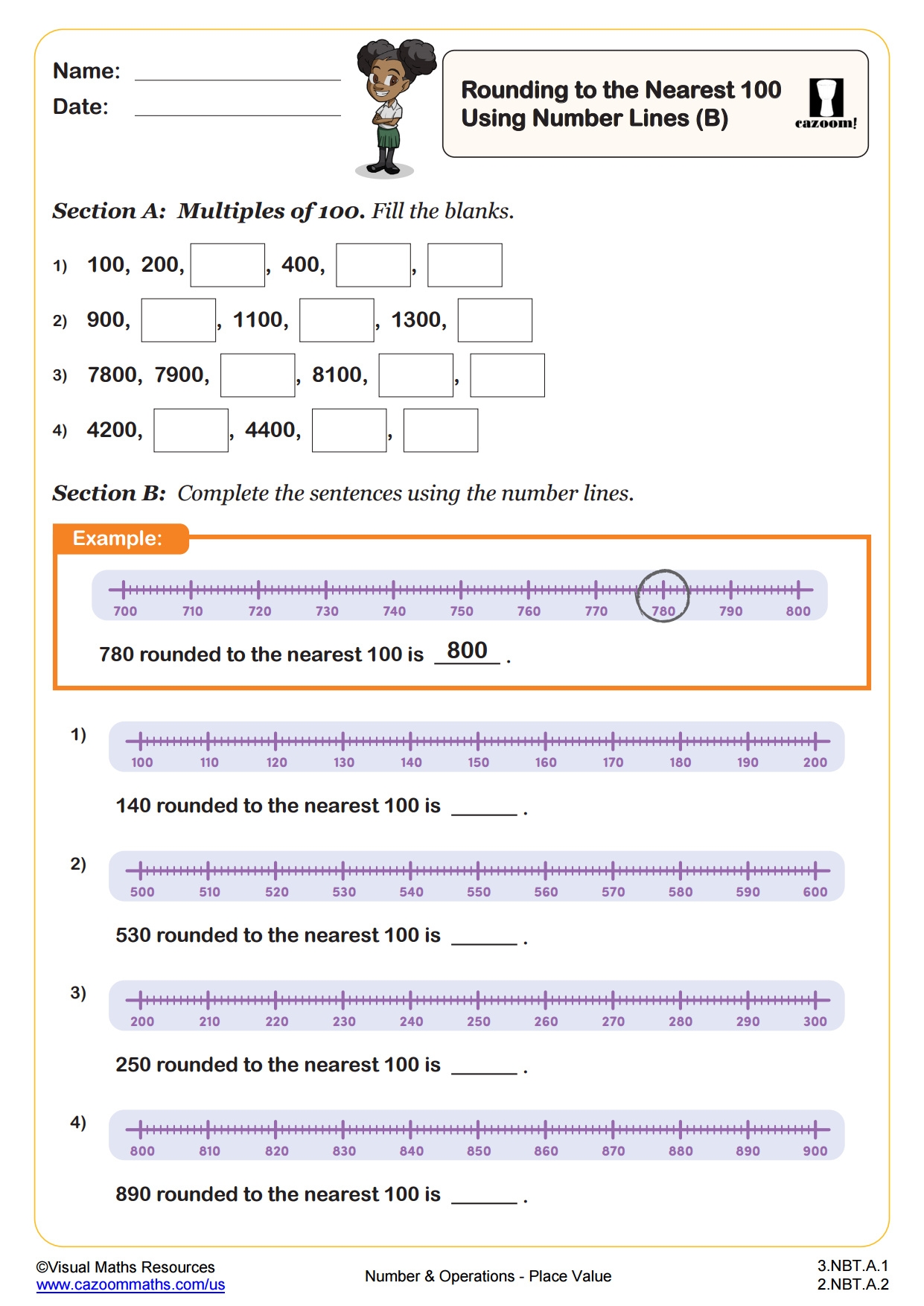
Rounding numbers is an essential mathematical skill that helps students simplify complex calculations and make estimations easier. Understanding how to round numbers accurately is crucial for various real-world applications, such as budgeting, measuring, and data analysis. One effective way to teach rounding is through the use of number line worksheets, which visually represent the concept and provide a hands-on learning experience.
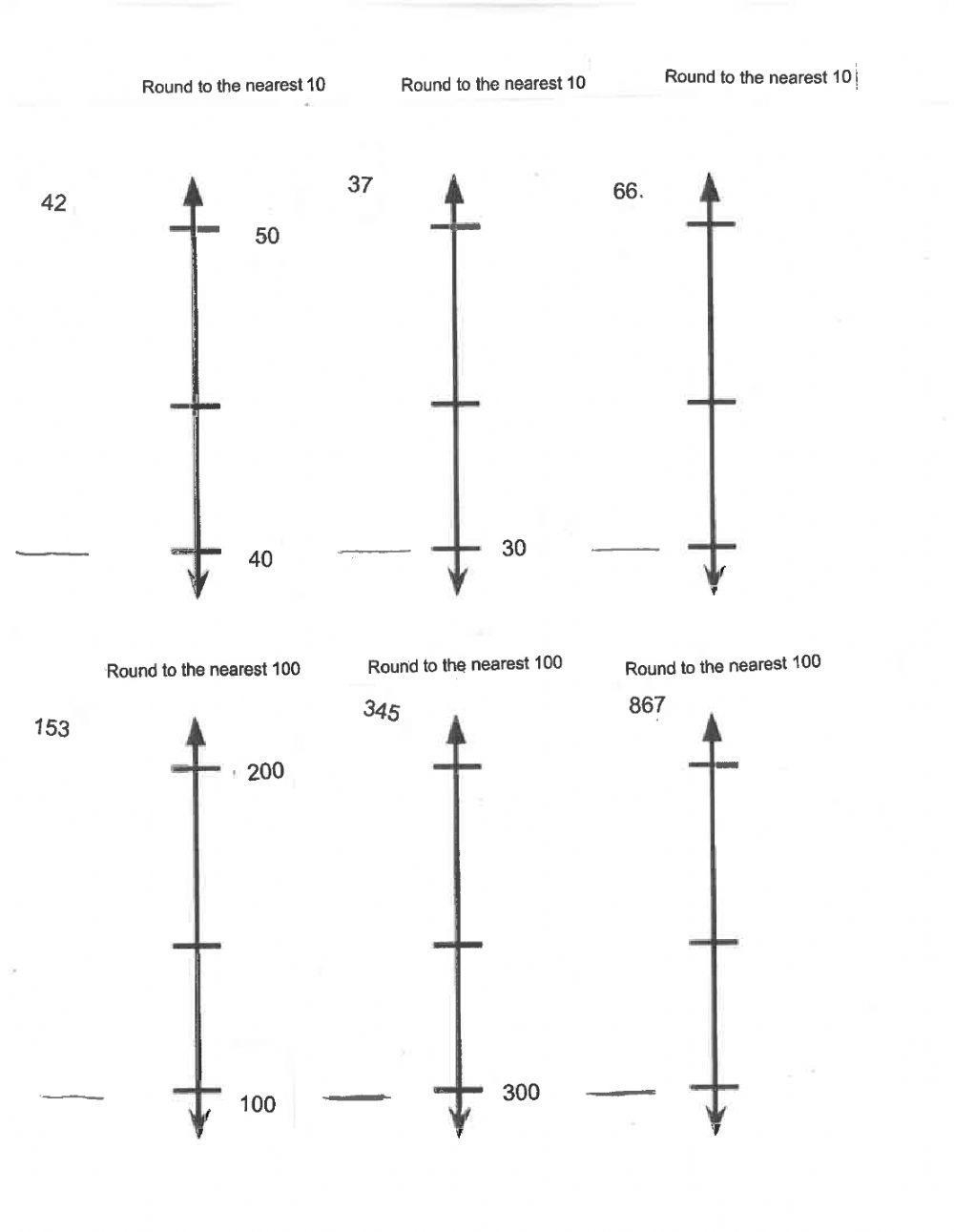
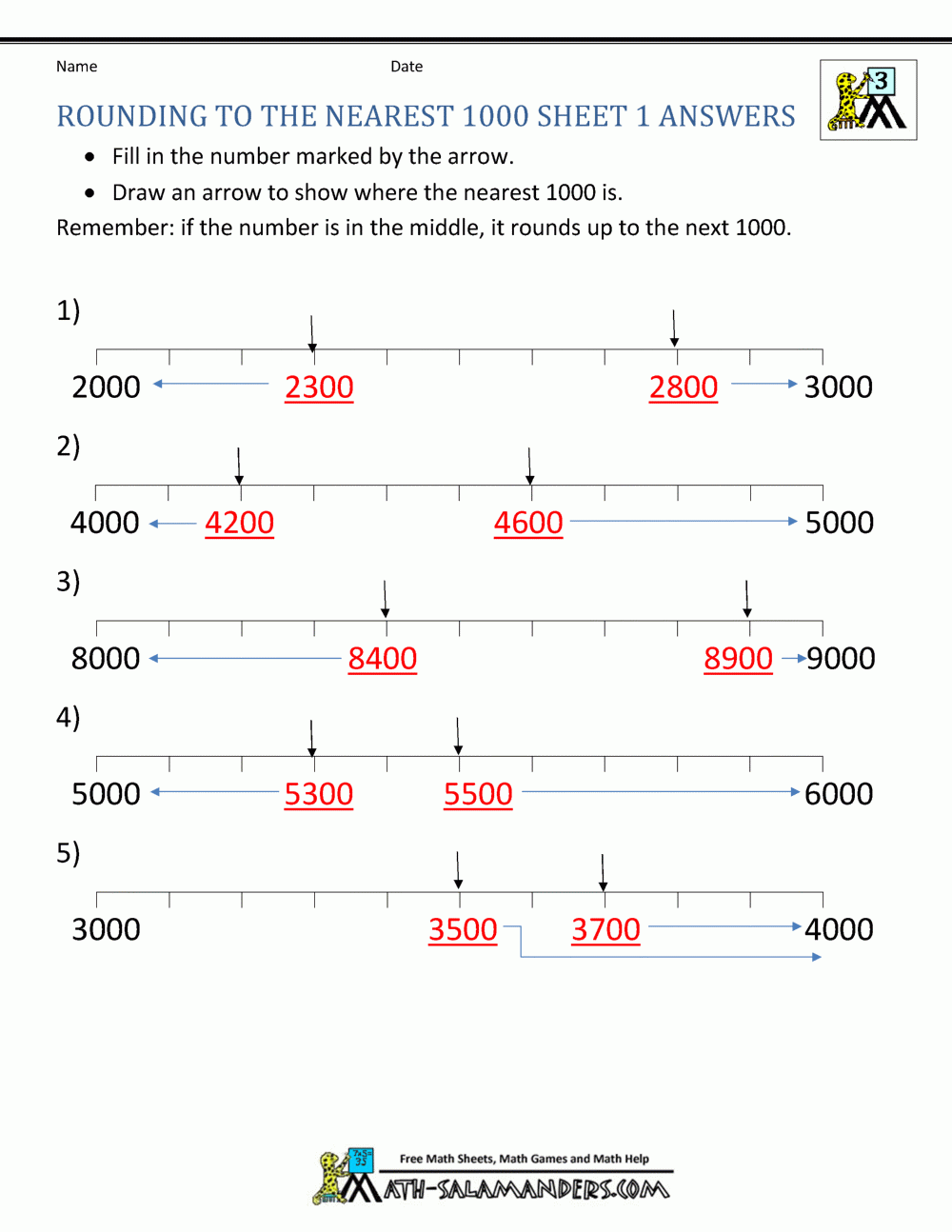
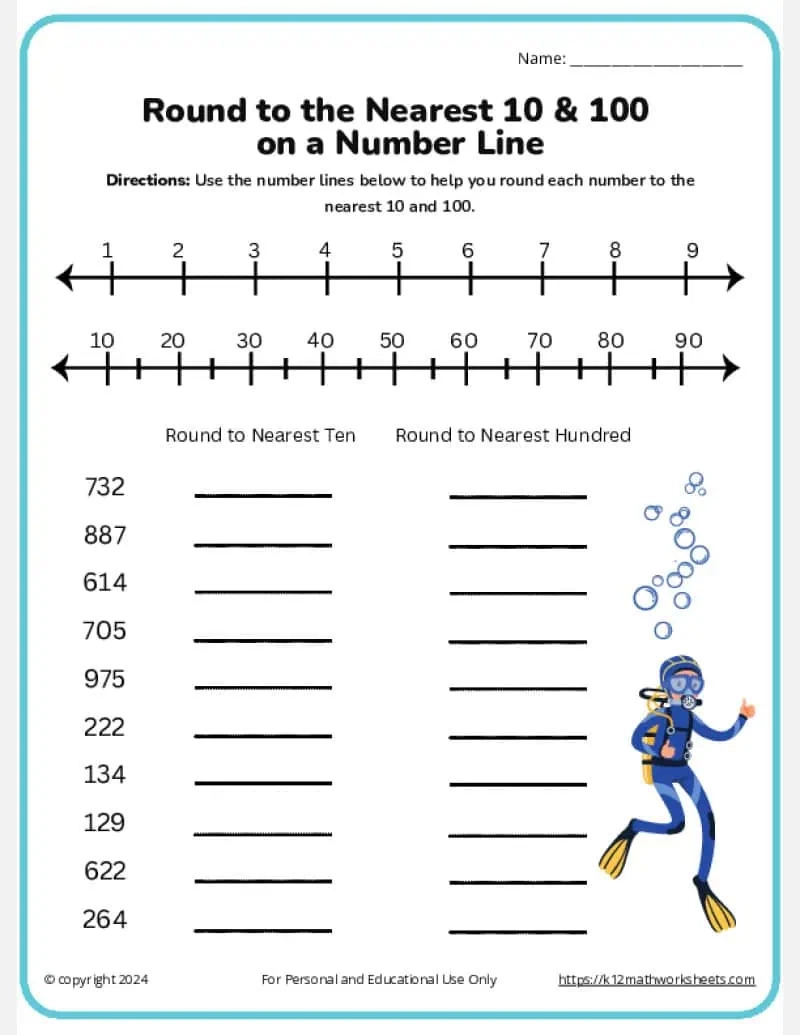
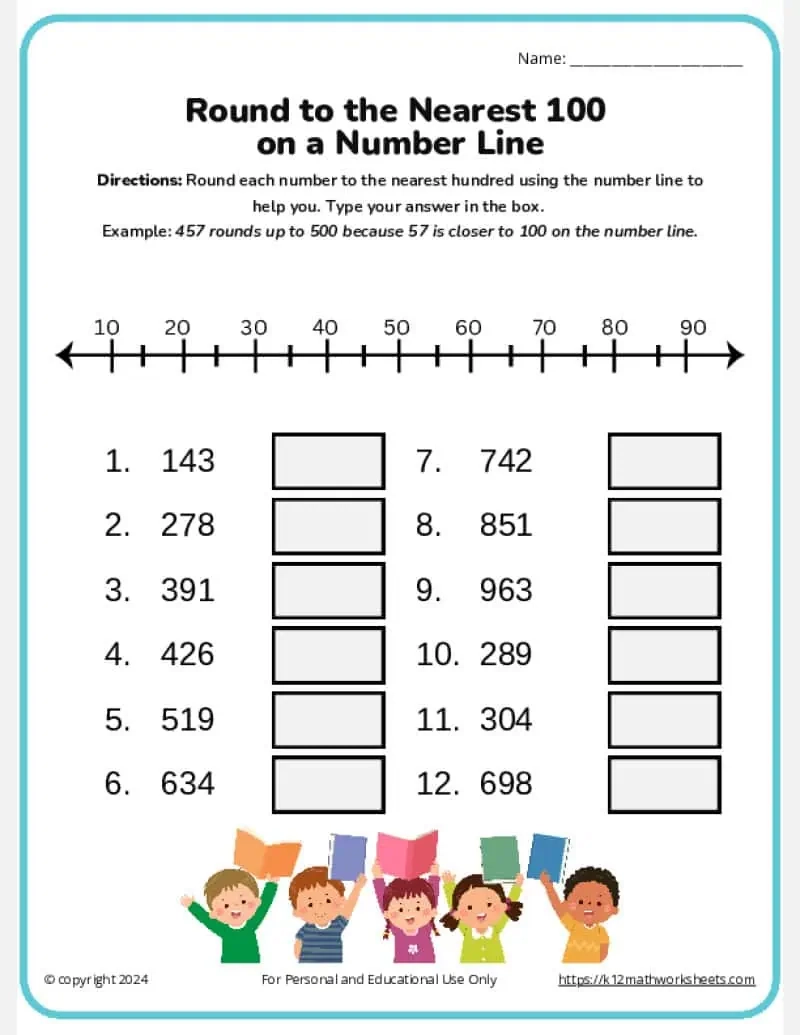
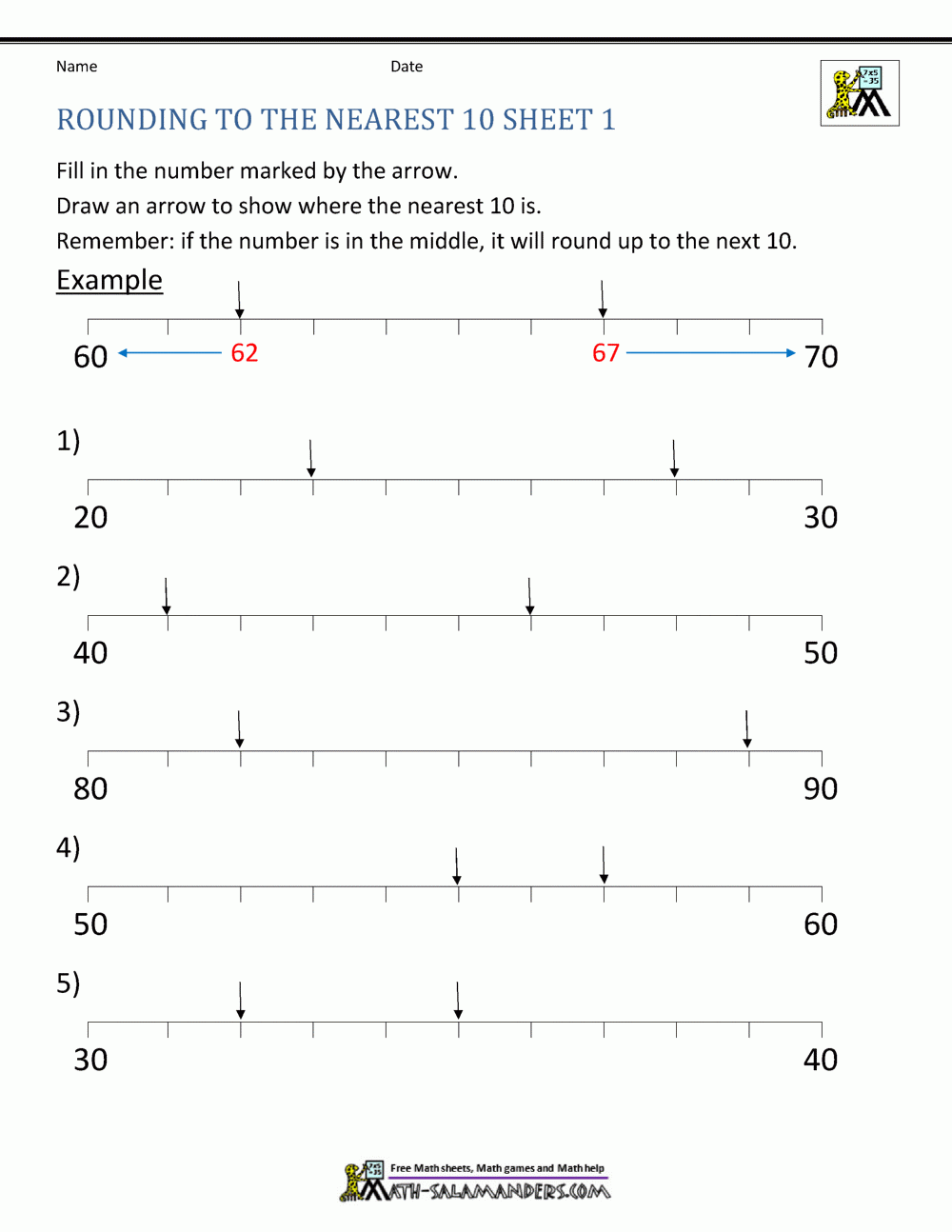
Number line worksheets allow students to see how numbers are positioned in relation to one another. This visual aid helps them grasp the concept of rounding up or down based on the nearest whole number or specified decimal place. By practicing with these worksheets, students can develop a stronger understanding of rounding rules and improve their overall math skills.
Rounding Numbers on a Number Line Worksheets
Rounding numbers on a number line involves identifying the closest whole number to a given value. For instance, if a student is asked to round the number 4.3, they would locate it on the number line and see that it is closer to 4 than to 5. This method reinforces the idea that rounding is not just about changing digits but understanding numerical relationships.
Worksheets designed for rounding numbers typically include various exercises where students must fill in missing values or determine the rounded number based on its position on the number line. These activities can range from simple whole numbers to more complex decimals, catering to different learning levels. By engaging with these worksheets, students can practice their skills repeatedly, leading to greater retention and confidence in their abilities.
In addition to traditional rounding exercises, some worksheets incorporate word problems that require students to apply their rounding skills in practical scenarios. For example, a problem might ask how many items can be purchased if each costs $2.75 and the budget is $20. Students would need to round $2.75 to $3 for easier calculations, demonstrating how rounding can simplify decision-making processes.
Teachers can enhance the effectiveness of these worksheets by including interactive elements such as games or group activities. Collaborative learning encourages discussion among peers, allowing students to share strategies and insights about rounding numbers. This social aspect not only makes learning more enjoyable but also reinforces concepts through peer teaching.
In conclusion, rounding numbers on a number line worksheets serves as an invaluable tool for educators and students alike. By providing a clear visual representation of rounding concepts and offering varied practice opportunities, these worksheets help solidify foundational math skills. As students become more proficient in rounding, they will find themselves better equipped to tackle more advanced mathematical challenges in their academic journey.
Download and Print rounding numbers on a number line worksheets Listed below